
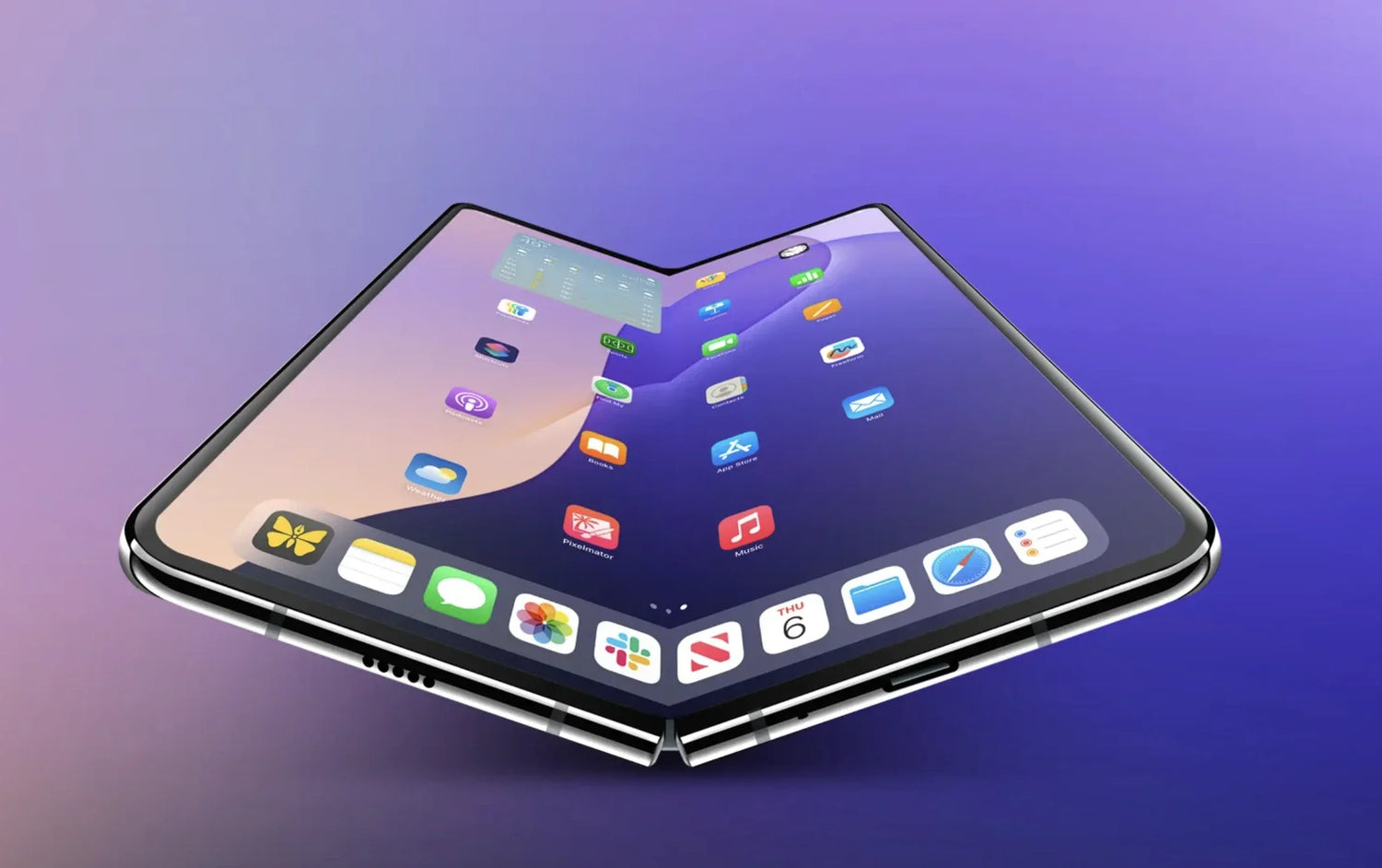
Apple has taken a measured approach to foldable devices, unlike competitors who entered the category years ago with varying degrees of success. The company prioritizes reliability, seamless user experience, and ecosystem integration, which has delayed entry but positions the first foldable iPhone as a potential benchmark for the form factor. This article compiles the most credible reports available as of early 2026, distinguishing confirmed details from analyst predictions.
Quick Answer: What We Know About the iPhone Fold
- Expected release window: Fall 2026, likely September alongside iPhone 18 Pro models, based on consistent analyst reports from supply chain sources.
- Likely price range: $2,000 to $2,500, reflecting premium materials, advanced hinge technology, and positioning as a high-end device.
- Form factor: Book-style fold (similar to Galaxy Z Fold series), not clamshell/flip, with an outer cover display and larger inner screen.
- Apple’s priorities: Minimizing or eliminating visible crease, exceptional hinge durability, thin profile, and full iOS optimization for larger displays and multitasking.
- Protection needs: Foldables introduce unique vulnerabilities like hinge stress and inner display exposure, making specialized cases essential for real-world durability.
iPhone Fold Release Date: What’s Most Likely
Apple's product cycles follow predictable patterns: major redesigns align with annual fall events, with extensive testing preceding launch. Supply chain reports indicate engineering validation is complete, and mass production is targeted for the second half of 2026, supporting a September unveiling.
Earlier timelines (pre-2026) proved unrealistic due to the company's stringent durability requirements. While some analysts note potential delays into 2027 for full shipment volumes, the consensus from multiple sources points to 2026 as the year Apple introduces its first foldable iPhone.
iPhone Fold Price Expectations
Foldable smartphones inherently cost more due to complex hinges, flexible displays, and specialized manufacturing. Apple's emphasis on premium materials like titanium frames and advanced crease-reduction tech will further elevate the price.
The device is expected to sit well above current Pro Max models, targeting users willing to pay for cutting-edge form factor and ecosystem benefits.
| Device Type | Launch Price Range | Target User |
|---|---|---|
| iPhone Pro Max | $1,199–$1,599 | Power users seeking maximum performance and camera capabilities |
| Expected iPhone Fold | $2,000–$2,500 | Early adopters valuing larger screens, multitasking, and innovative design |
Foldable Design: What Apple Is Likely to Build
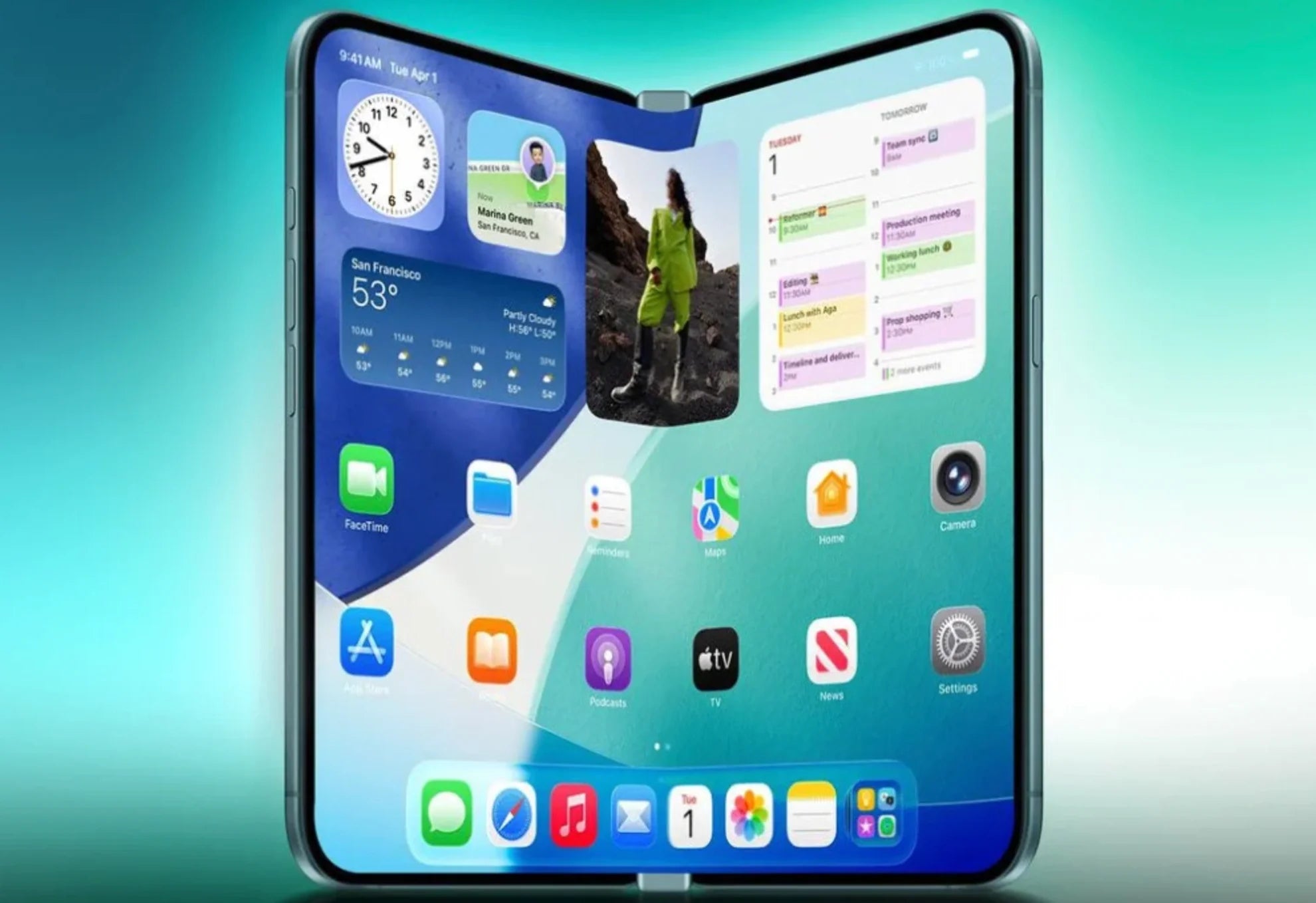
Reports consistently describe a book-style foldable, unfolding to a tablet-like inner display while remaining phone-sized when closed. Apple appears focused on thinness, premium feel, and long-term reliability over gimmicks.
Hinge and Crease Expectations
The hinge is a critical component. Apple has reportedly developed a durable design using liquid metal elements to enhance strength while maintaining slimness. Multiple sources indicate the inner display will feature a nearly invisible or crease-free appearance, achieved through advanced stress distribution and material innovations—a key reason for the extended development timeline.
Display Size and Aspect Ratio
Expect an outer cover display around 5.3–5.5 inches for typical phone use, with an inner screen of approximately 7.7–7.8 inches when unfolded. The inner aspect ratio leans toward 4:3, resembling a compact iPad for productivity and media consumption.
iPhone Fold vs iPhone Ultra: Naming and Positioning
Naming remains unconfirmed, but both "iPhone Fold" (descriptive) and "iPhone Ultra" (premium tier, like Apple Watch Ultra) are plausible. "Ultra" could better reflect the device's high price and flagship status in the lineup.
Regardless of name, it will occupy a distinct position: a new category above Pro models, emphasizing form factor innovation alongside top-tier performance.
| Name | Likely Meaning | Target Audience |
|---|---|---|
| iPhone Fold | Direct reference to form factor | Users focused on the folding innovation |
| iPhone Ultra | Premium, extreme-tier positioning | High-end buyers seeking the ultimate iPhone experience |
Expected Specs and Performance Priorities
The device will likely feature a next-generation A-series chip (expected A20 class) for top performance and efficiency. Battery capacity is anticipated to be significantly larger than current iPhones to support dual displays and multitasking.
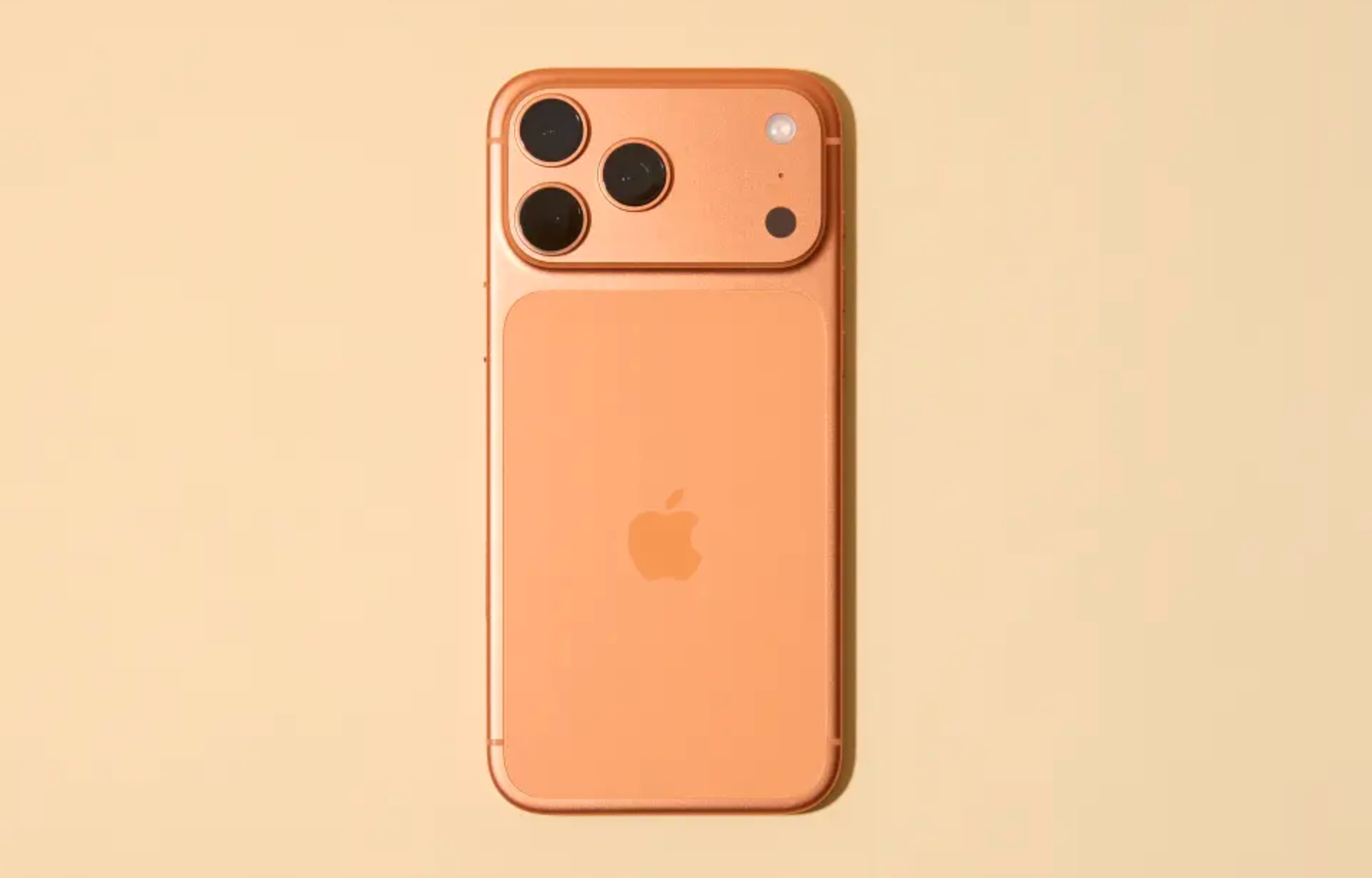
Camera systems will prioritize quality over quantity, with a focus on maintaining thinness. Overall, Apple will emphasize reliability, seamless iOS integration, and AI-enhanced experiences on the larger screen.

Durability Concerns: Where Foldable iPhones Are Most Vulnerable
Foldables face different risks than traditional slab phones. The inner display is susceptible to pressure, debris, and repeated folding stress. Hinge mechanisms endure constant mechanical cycles, and drops can impact both outer and inner screens differently due to the articulated design.
Apple's engineering reportedly addresses these with advanced materials, but real-world use will still demand careful handling and protection.
Do Foldable iPhones Need Special Cases?
Yes, foldables require tailored protection strategies. The hinge area needs coverage without restricting movement, while the inner display demands scratch and impact resistance when open. Outer screens benefit from raised edges, similar to current iPhones, but overall design must accommodate folding dynamics.
Purpose-built cases will be crucial for maintaining long-term durability. For current models, explore collections like iPhone 17 Cases | Global Collection or MagSafe-compatible options in iPhone 17 MagSafe Cases as references for premium protection approaches.
Should You Wait for the iPhone Fold?
- Wait if you prioritize innovative form factor, larger screens for productivity, and are comfortable with first-generation tradeoffs in price and availability.
- Buy current models if you need proven reliability, maximum camera versatility, or prefer traditional slab designs without folding mechanisms.
- Early adopters should anticipate higher costs, potential supply constraints, and refinements in subsequent generations.
Key Takeaways
- Most credible reports point to a September 2026 launch for Apple's first foldable iPhone.
- Pricing is expected in the $2,000–$2,500 range, positioning it as a premium addition to the lineup.
- Design philosophy emphasizes book-style folding, minimal crease, thin profile, and exceptional hinge durability.
- Durability focuses on solving common foldable issues like inner display vulnerability and mechanical wear.
- Specialized protection will be more important than ever due to the unique form factor risks.
Frequently Asked Questions About the iPhone Fold
When will Apple release a foldable iPhone?
Reports from multiple analysts and supply chain sources indicate a likely launch in fall 2026, probably September, as part of the iPhone 18 series. While delays to 2027 remain possible, current progress supports the 2026 timeline.
How much will the iPhone Fold cost?
Expect a starting price between $2,000 and $2,500, based on premium components, advanced hinge technology, and its positioning above existing Pro models. This reflects the higher manufacturing complexity of foldables.
Will it replace the iPhone Pro?
No. The foldable will serve as a distinct category, likely above Pro models, offering unique screen capabilities rather than directly replacing traditional designs.
Will iPhone Fold cases be different?
Yes. Cases must accommodate the hinge mechanism, protect both inner and outer displays, and maintain folding functionality. Standard cases won't suffice; purpose-built designs will be necessary.
Will MagSafe work on a foldable iPhone?
MagSafe compatibility is expected, as Apple prioritizes ecosystem continuity. The system should function on the outer display, though inner screen integration may vary.
Is the crease unavoidable?
Apple has reportedly solved or minimized the crease issue through advanced materials and hinge design, aiming for a nearly invisible fold line—potentially the first truly crease-free foldable.
Will apps support foldable mode?
iOS will include optimizations for the larger inner display, including multitasking interfaces and adaptive layouts. Third-party apps will likely receive updates to take advantage of the expanded canvas.
Is the iPhone Fold durable enough for daily use?
Apple's focus on hinge strength, display protection, and materials suggests strong durability. However, like all foldables, it will require care, and specialized cases will help mitigate risks.
What if supply is limited at launch?
Early production constraints are possible with new form factors. Historical patterns show high demand may lead to shortages initially, with availability improving over time.
Will there be a flip-style foldable?
Current reports focus on book-style only for the first model. Future variants, including clamshell designs, could follow in later generations.

Leave a comment
This site is protected by hCaptcha and the hCaptcha Privacy Policy and Terms of Service apply.