
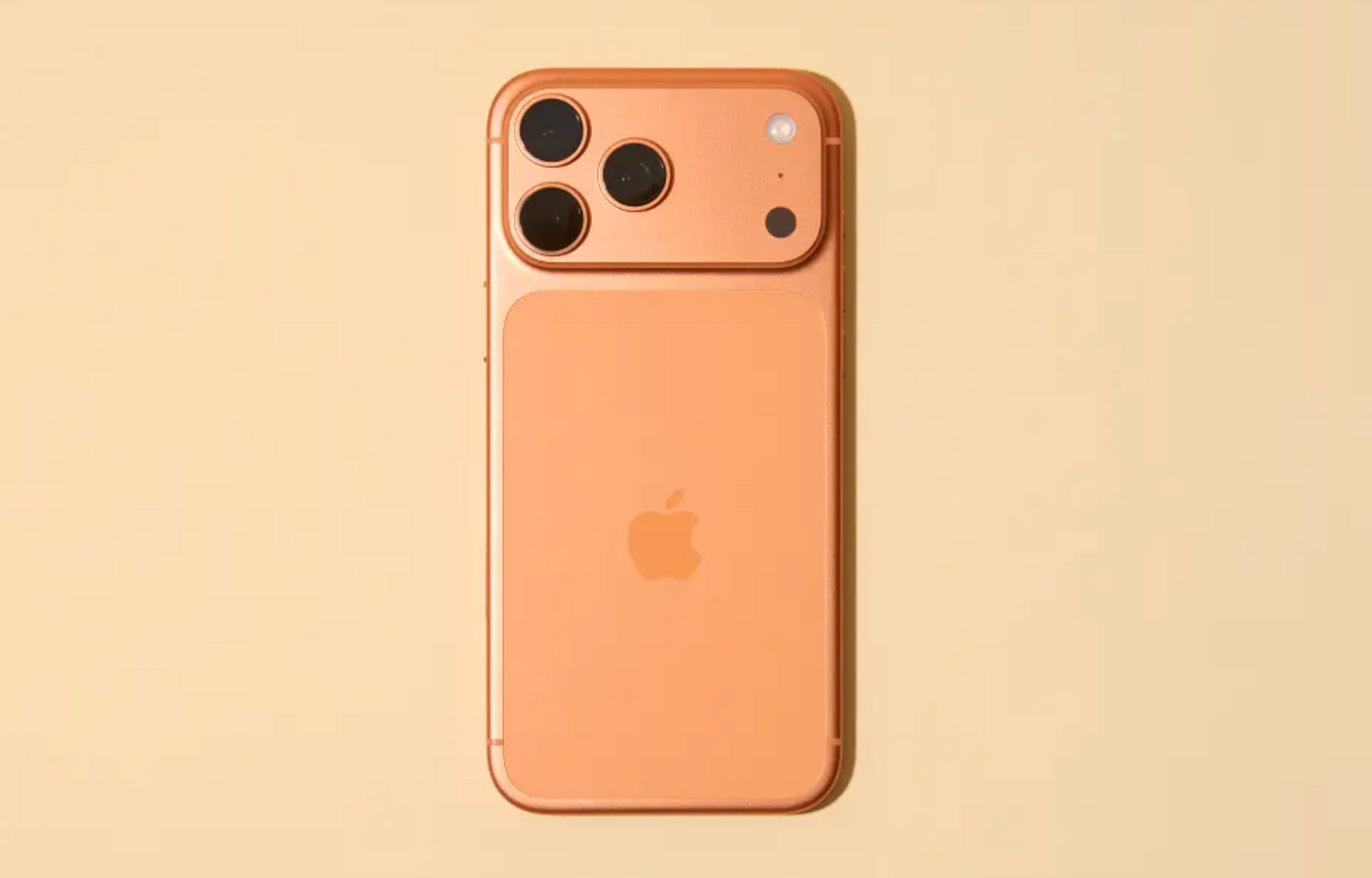
Many people assume drop protection comes down to thickness, branding, or vague claims like "military grade." In reality, effective protection is determined by how well a case manages the physics of an impact. When an iPhone falls, it is not the material volume alone that prevents damage, but the intelligent handling of kinetic energy through dispersion, absorption, and controlled deceleration.
Quick Answer: How iPhone Case Drop Protection Works
- Impact energy from a drop is kinetic energy that must be dissipated quickly upon hitting the ground; without management, it transfers directly to the phone's fragile components like the glass screen and internal frame.
- Effective cases disperse energy across a larger area and time through flexible materials and structural design, reducing peak force on any single point.
- Corners are the most vulnerable because they concentrate force on a small contact area, often leading to frame bending or screen cracks first.
- Thin cases can provide strong protection if engineered with the right materials and features, such as shock-absorbing elastomers and strategic air gaps, outperforming poorly designed thicker ones.
- The goal is not to stop all energy but to slow deceleration enough to keep forces below the phone's failure threshold.
The Physics Behind iPhone Drop Protection
When an iPhone drops, gravitational potential energy converts to kinetic energy as it accelerates downward. Upon impact, this energy causes rapid deceleration, generating high forces that can crack glass, dislodge components, or bend the frame.
Impact Energy and Deceleration
The force experienced is governed by the impulse-momentum principle: force equals change in momentum over time. A hard, sudden stop (short time) creates high peak forces. Cases extend the deceleration time slightly, reducing these peaks and protecting the device.
Why Corners Are the Weakest Point
Phones rarely land perfectly flat. Most real-world drops hit on a corner or edge, concentrating force on a small area. This creates high localized stress, making corners prone to failure first, often resulting in screen cracks starting from the impact point or frame deformation.
Energy Dispersion vs Energy Absorption
Dispersion spreads force over a wider area and longer duration, while absorption converts energy into heat or deformation within the case material. The best designs combine both, using flexible inner layers to absorb and rigid outer elements to distribute.
How iPhone Cases Reduce Damage
Quality cases protect through thoughtful engineering rather than brute thickness. Key mechanisms include:
- Shock-absorbing materials: Thermoplastic polyurethane (TPU) or elastomers deform on impact, converting kinetic energy into heat and slowing force transfer to the phone.
- Internal air gaps: Small voids or pockets compress like airbags, providing cushioning and further extending deceleration time.
- Raised edges and controlled contact points: Lips around the screen and camera prevent direct surface contact on flat drops, reducing risk to glass.
- Flex vs rigidity balance: Flexible frames absorb shock while rigid elements distribute force, preventing bending or puncture.
These features work together to manage energy effectively, often making slim, well-designed cases surprisingly capable.

Drop Protection Methods Compared
| Protection Feature | What It Does Physically | Why It Matters in Real Drops |
|---|---|---|
| Corner reinforcement | Thicker or air-cushioned material at corners absorbs and disperses concentrated force | Most drops hit corners first; prevents frame bending and screen cracks starting at edges |
| TPU shock absorption | Flexible elastomer deforms to extend impact duration and convert energy to heat | Reduces peak g-forces transmitted to delicate internals and glass |
| Hard shell distribution | Rigid outer layer (e.g., polycarbonate) spreads force across larger surface | Prevents puncture or localized failure on edges and flat impacts |
| Raised lips | Elevates screen and camera above surface on flat drops | Avoids direct contact with ground, protecting glass from scratches and cracks |
| Flexible frame | Allows controlled flex to absorb angular impacts | Handles real-world uneven drops better than purely rigid designs |
What “Military-Grade Drop Protection” Actually Means
The term "military-grade" typically refers to MIL-STD-810, a U.S. Department of Defense standard for environmental testing. For drop protection, it often cites Method 516 (Shock), specifically Procedure IV (Transit Drop), which involves dropping the device 26 times from a specified height (commonly around 4 feet) onto a plywood-over-concrete surface, covering all faces, edges, and corners.
This standard tests durability under controlled conditions but does not guarantee performance in all real-world scenarios. Tests can be tailored, and passing does not mean independent military verification—manufacturers often conduct their own. It provides a benchmark for ruggedness but should not be the sole indicator of everyday protection, as variables like surface type, angle, and repeated impacts differ from lab settings.
Does a Thicker Case Always Protect Better?
No. Thickness provides more material to absorb energy, but protection depends on material behavior and design. A thick rigid case may transfer force directly, while a thinner one with engineered TPU, air gaps, and strategic reinforcement can outperform it by better managing deceleration. Many slim hybrid cases achieve strong results through smart energy dispersion rather than bulk alone.
What Happens in Real-World Drops
Real drops vary widely from controlled tests:
- Flat drops: Impact spreads over a larger area; raised lips help prevent direct screen or camera contact.
- Corner drops: Concentrated force often causes the most damage, starting cracks at edges.
- Pocket-height vs head-height drops: Lower drops (3-4 feet) are survivable with good cases; higher ones increase risk significantly.
- Concrete vs wood: Hard surfaces like concrete transmit more force; softer ones like wood or carpet absorb some energy, reducing damage.
Angle, rotation, and surface irregularities make outcomes unpredictable.
How to Choose an iPhone Case Based on Drop Protection
- Prioritize shock-absorbing materials like TPU, reinforced corners, and raised edges over thickness alone.
- Ignore vague marketing terms; look for specific features like air pockets or hybrid construction.
- Understand no case offers 100% protection—realistic expectations prevent disappointment.
- For MagSafe compatibility, ensure the case maintains full magnetic alignment without compromising energy management. Explore options like iPhone 17 MagSafe Cases for balanced designs.
- Consider your usage: slim profiles suit low-risk needs, while reinforced ones fit active lifestyles. Check collections such as iPhone 17 Cases | Global Collection or iPhone 17 Leather Cases for material-focused options.
Key Takeaways
- Drop protection relies on managing kinetic energy through dispersion and absorption, not just thickness.
- Corners fail first due to concentrated force; effective cases reinforce them specifically.
- Flexible materials like TPU outperform rigid bulk in many scenarios by extending deceleration time.
- "Military-grade" is a testing benchmark, not a guarantee of real-world invincibility.
- Choose based on features and your drop risk—engineered design matters more than hype.
Frequently Asked Questions About iPhone Case Drop Protection
Do cases really protect iPhones from drops?
Yes, well-designed cases significantly reduce damage risk by absorbing and dispersing impact energy. They cannot prevent all failure, but they often turn potential screen cracks into minor scuffs.
Are slim cases enough?
Many slim cases provide good protection if they use quality shock-absorbing materials and features like raised edges. Engineered thin designs can outperform bulky ones without proper energy management.
Are corner drops the most dangerous?
Yes. Corners concentrate force on a small area, leading to higher localized stress and common failure points like frame bending or edge screen cracks.
Does MagSafe affect drop protection?
Properly implemented MagSafe rings do not significantly weaken protection. Quality cases integrate magnets without compromising shock absorption or structural integrity.
Can a case fully prevent screen cracks?
No case guarantees complete prevention, especially from high or angled drops on hard surfaces. Raised lips and energy management greatly reduce the likelihood.
Why do some thick cases fail?
Rigid thick designs may transfer force directly rather than absorbing it. Protection requires balanced flexibility and dispersion, not just added material.
What surface is worst for drops?
Concrete or tile transmits the most force. Softer surfaces like carpet or wood absorb some energy, lowering damage risk.
Is "military-grade" worth seeking?
It indicates testing to a standard but varies by implementation. Focus on specific features like corner reinforcement over the label alone.
Do raised edges help on flat drops?
Yes. They keep the screen and camera from direct contact, preventing scratches and reducing crack risk on flat landings.
How important are materials like TPU?
Very. TPU and elastomers deform to absorb energy, reducing peak forces better than rigid plastics in most impacts.
```


Leave a comment
This site is protected by hCaptcha and the hCaptcha Privacy Policy and Terms of Service apply.