
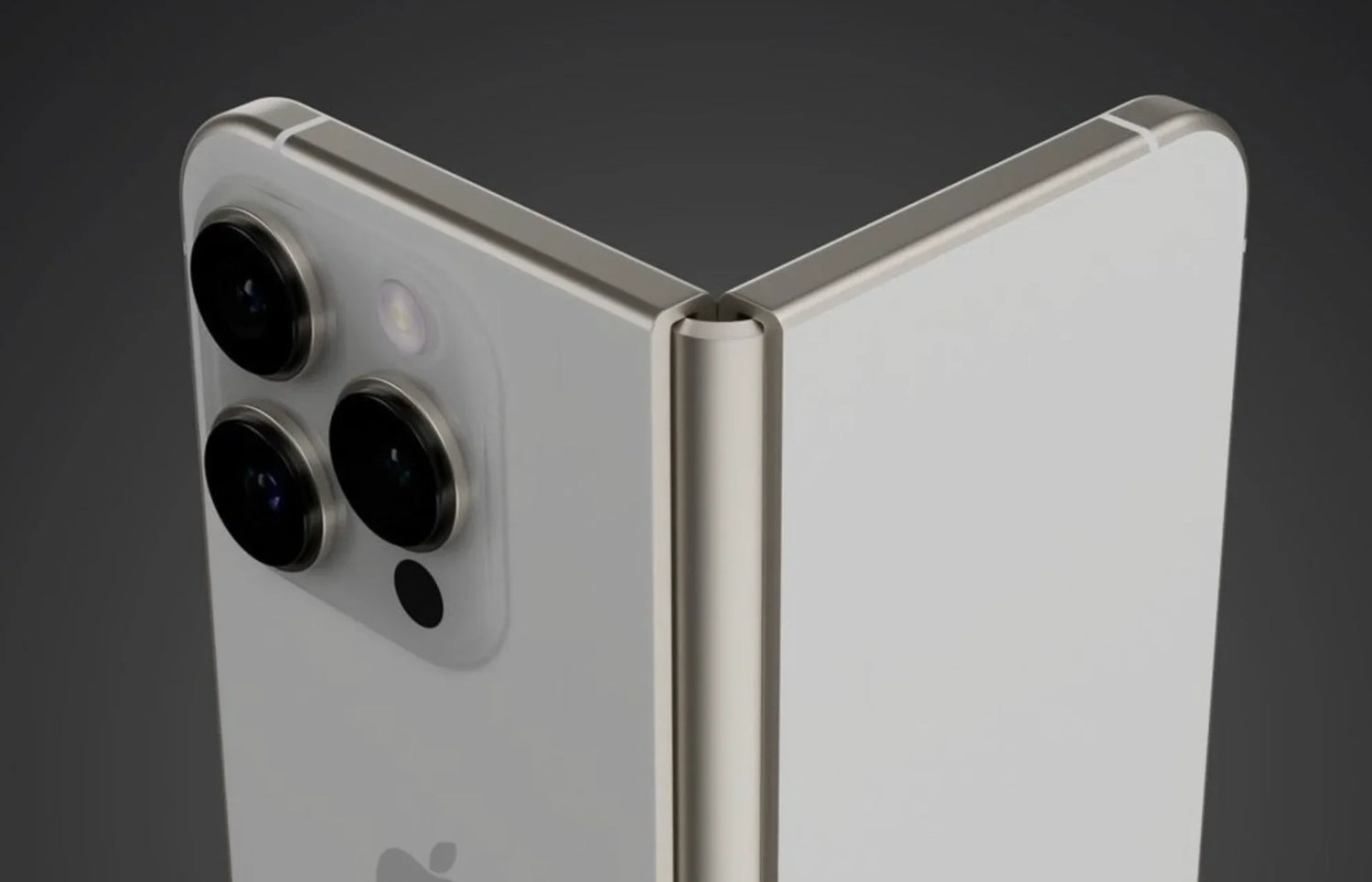
The terms “iPhone Fold” and “iPhone Ultra” frequently appear in discussions about Apple’s anticipated foldable iPhone, often used interchangeably. This creates understandable confusion. “Fold” is a descriptive, form-factor term commonly used by media and analysts, while “Ultra” follows Apple’s established premium branding convention. This article clarifies the distinction, explains Apple’s likely naming logic, and outlines realistic expectations for positioning and characteristics—based on patterns in Apple’s product strategy rather than unverified leaks.
Quick Answer: iPhone Fold vs iPhone Ultra
- “iPhone Fold” and “iPhone Ultra” almost certainly refer to the same upcoming foldable device; the difference lies in terminology, not separate products.
- “Fold” is a functional descriptor used by media and industry to indicate the folding mechanism, similar to how competitors label their devices.
- “Ultra” aligns with Apple’s naming for its most ambitious, highest-end products (Apple Watch Ultra, M-series Ultra chips), emphasizing extreme capability and refinement.
- “Ultra” has a significantly higher probability of becoming the official product name due to Apple’s consistent branding patterns.
- Regardless of name, a foldable iPhone will require fundamentally different case and accessory designs to protect the hinge, inner display, and unique drop dynamics.
What Does “iPhone Fold” Refer To?
“iPhone Fold” is not an official Apple term but a widely used shorthand in tech media, analyst reports, and community discussions. It directly describes the defining feature: a device that folds, typically in a book-style configuration. The term is practical for categorization but lacks the lifestyle-oriented or tier-based character Apple usually applies to product names (Pro, Max, Ultra, Air, etc.).
Apple has historically avoided purely technical descriptors as primary names, favoring branding that communicates user benefit or positioning rather than mechanical function.
What Does “iPhone Ultra” Mean Inside Apple’s Product Line?
Apple applies the “Ultra” designation selectively to represent the pinnacle of a category. The Apple Watch Ultra is built for extreme durability and capability in demanding environments. M-series Ultra chips deliver the highest performance available in Mac systems. In both cases, “Ultra” signals that the product pushes boundaries while maintaining Apple’s standards of build quality, refinement, and ecosystem integration.
Reserving “Ultra” for a foldable iPhone would indicate Apple views the device as a flagship leap forward—both in form factor innovation and overall execution—rather than a niche variant.
iPhone Fold vs iPhone Ultra: Key Differences in Meaning
| Term | What It Describes | Branding Intent | Likelihood of Official Use |
|---|---|---|---|
| iPhone Fold | Form factor (folding mechanism) | Descriptive / functional | Low — Apple rarely uses technical descriptors as primary names |
| iPhone Ultra | Premium tier and extreme capability | Lifestyle / positioning | High — consistent with existing Ultra usage across product lines |
How Apple Is Likely to Position a Foldable iPhone
A foldable iPhone will almost certainly sit above the current Pro and Pro Max models in the lineup. It will represent a new, premium tier rather than replacing existing devices. The target audience includes power users, early adopters, and those who value larger screen real estate for productivity, media, and multitasking while maintaining phone portability when folded.
Apple will likely maintain the existing Pro / Pro Max lines for users who prefer traditional slab designs, maximum camera systems, or lower price points.
Likely Specs: What Matters More Than Exact Numbers
Performance will be driven by Apple’s latest-generation silicon, delivering top-tier efficiency and power suited to dual-display operation and multitasking. Battery capacity is expected to be significantly larger than current iPhones to support the additional display and use cases. Camera design will likely involve some tradeoffs in module thickness or placement to preserve overall slimness, with emphasis on computational quality rather than lens count.
The focus will be on seamless software optimization for the larger inner display, not on chasing maximum specifications.
Foldable Design Expectations: What Apple Is Likely to Prioritize
Current reporting and Apple’s design philosophy strongly suggest a book-style foldable (unfolding into a tablet-like inner screen) rather than a clamshell/flip form factor. Priority will be placed on thinness when closed, premium materials, and exceptional long-term mechanical reliability.
Hinge and Crease Expectations
The hinge is the most critical engineering challenge. Apple is expected to develop a durable, low-profile mechanism using advanced materials. A primary objective is to achieve a crease that is either invisible or extremely subtle—potentially a category-defining improvement.
Inner vs Outer Display Usage
The outer cover display will serve as the primary phone interface when folded, likely in the 5.3–5.5-inch range. The inner display (approximately 7.7–7.8 inches) will enable tablet-like productivity, media consumption, and multitasking when unfolded, with iOS optimized accordingly.
Durability Differences Compared to Standard iPhones
Foldable designs introduce vulnerabilities not present in traditional slab phones. The inner display is susceptible to pressure, debris, fingerprints, and repeated folding cycles. The hinge experiences continuous mechanical stress over time. Drop dynamics differ due to the articulated structure, potentially affecting both outer and inner surfaces differently.
While Apple will apply rigorous engineering standards, real-world durability will require more careful handling than conventional iPhones.
What iPhone Fold / Ultra Naming Means for Cases and Accessories
Whether named Fold or Ultra, a foldable iPhone will demand entirely new case engineering. Cases must protect the hinge without restricting movement, safeguard both inner and outer displays, and maintain full folding functionality. Standard slab-phone cases will not suffice; hinge coverage, inner screen protection, and balanced weight distribution become essential considerations.
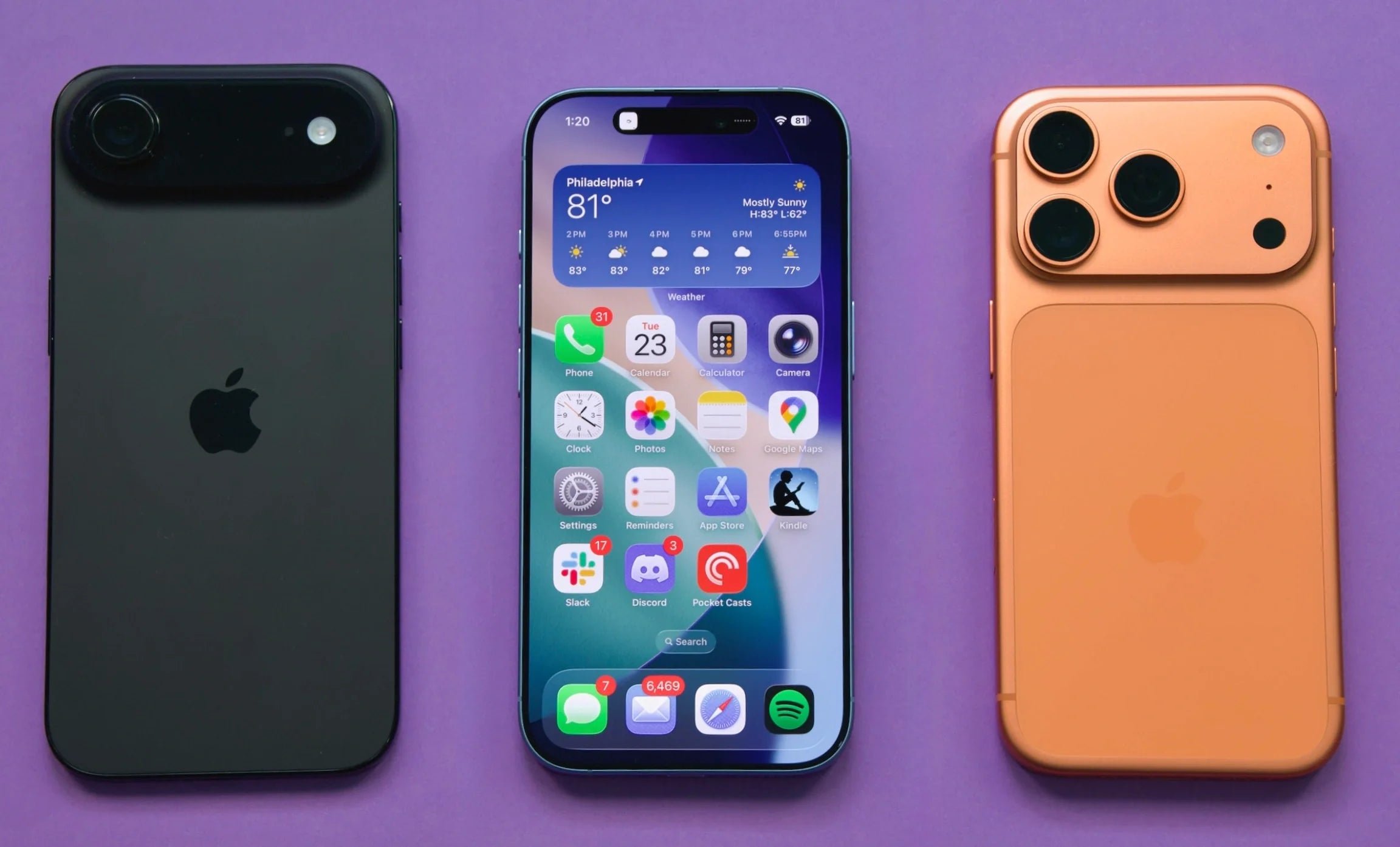
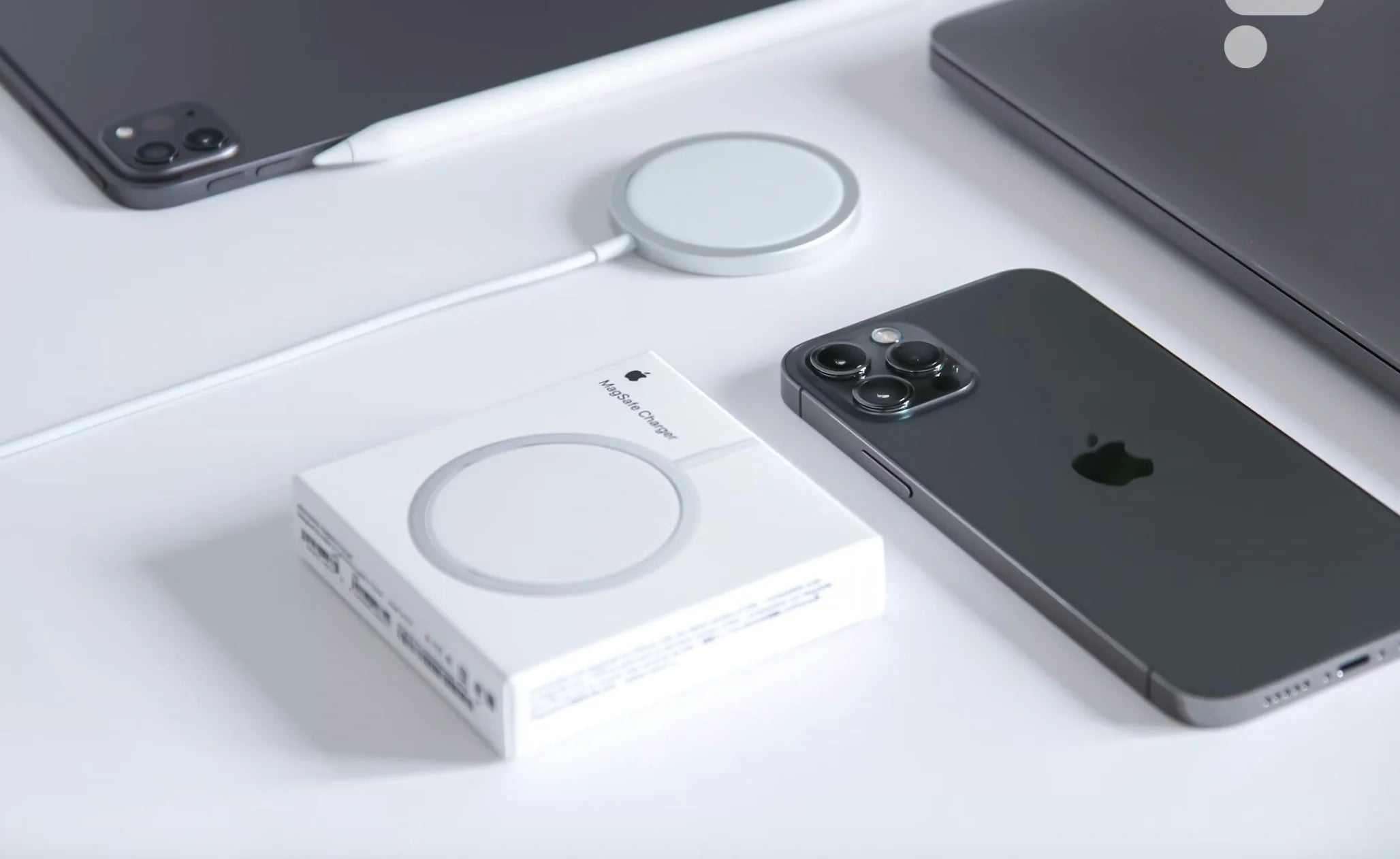
Ecosystem continuity, including MagSafe compatibility on the outer display, is expected. Current premium approaches to protection and integration can be seen in collections such as iPhone 17 Cases | Global Collection and iPhone 17 MagSafe Cases.
Which Name Is Apple More Likely to Use?
“Ultra” is the more probable official name. It aligns with Apple’s established pattern of using tier-based, lifestyle-oriented branding for flagship products. “Fold” will likely remain an informal, industry term used by media, analysts, and users to describe the form factor—similar to how “iPhone X” was widely called “iPhone X” but officially positioned as a premium tier.
Apple may also prefer “Ultra” to avoid potential confusion with future clamshell/flip designs that could use different descriptors.
Key Takeaways
- “iPhone Fold” describes the mechanism; “iPhone Ultra” reflects Apple’s premium branding logic—both most likely refer to the same device.
- “Ultra” has a strong probability of being the official name based on Apple’s naming history.
- The foldable will be positioned above Pro models as a distinct, high-end tier for power users and early adopters.
- Durability focus will center on hinge longevity, minimal crease, and inner display protection.
- Cases and accessories will require specialized design to address unique foldable vulnerabilities.
Frequently Asked Questions About iPhone Fold vs iPhone Ultra
Is iPhone Fold the same as iPhone Ultra?
Yes, credible reporting and analysis indicate that both terms refer to Apple’s first foldable iPhone. The difference is in terminology: “Fold” is descriptive, while “Ultra” follows Apple’s premium branding convention.
What will Apple likely call its foldable iPhone?
“iPhone Ultra” is the most probable official name, consistent with how Apple uses “Ultra” for its most ambitious products. “Fold” will likely remain a media and user shorthand.
Will iPhone Ultra replace iPhone Pro?
No. It is expected to exist as a separate, higher-tier offering focused on the folding form factor, while Pro and Pro Max models continue for traditional slab-phone users.
When will Apple release a foldable iPhone?
Most consistent reporting points to fall 2026 (likely September), with a smaller possibility of early 2027 if additional refinement is needed.
Will iPhone Fold / Ultra cases be different?
Yes. Cases must accommodate the hinge, protect both inner and outer displays, and allow full folding functionality—requirements that standard cases cannot meet.
Will MagSafe work on a foldable iPhone?
MagSafe compatibility is expected on the outer display, maintaining ecosystem continuity for charging and accessories.
Is the crease unavoidable?
Apple’s engineering reportedly aims for a crease that is either invisible or extremely minimal, potentially setting a new standard in foldable displays.
Will apps adapt automatically?
iOS will include native optimizations for the larger inner display, with adaptive layouts and multitasking support. Third-party apps are expected to follow with updated interfaces.
Will the foldable be more fragile than current iPhones?
It will introduce different vulnerabilities (hinge wear, inner display exposure), but Apple’s focus on durability suggests it will be built for real-world use with proper care and protection.
Why not call it iPhone Fold?
Apple typically avoids purely functional names, preferring branding that communicates premium positioning and user experience rather than technical detail.

Leave a comment
This site is protected by hCaptcha and the hCaptcha Privacy Policy and Terms of Service apply.